
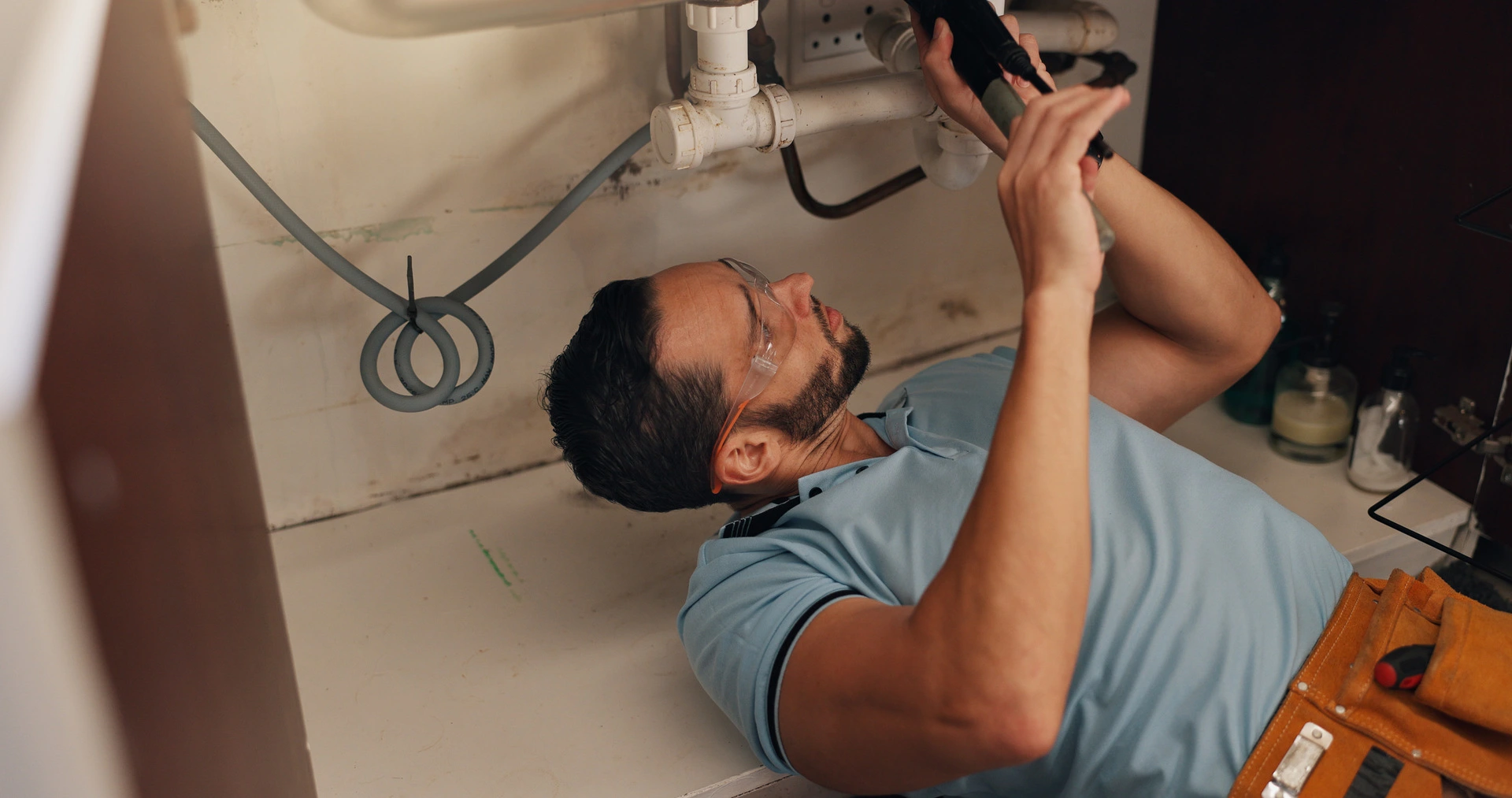
Nobody thinks about their drains. Not until they're standing in two inches of shower water or watching the kitchen sink fill up while the dishwasher runs. Then it's suddenly urgent.
At Ethridge HVAC, we handle plumbing calls across Greater Birmingham, and clogged drains are easily one of the top three reasons people call us. The frustrating part? Most of those clogs were completely preventable. A few simple habits can save you the hassle, the cost, and the weird smell that comes with a backed-up pipe.
Here's how to prevent clogged drains with five things you can start doing today.
1. Stop putting grease down the drain
This one is the biggest offender in kitchens. Hands down.
Cooking grease, bacon fat, butter, even that oily residue from washing a pan — it all goes down the drain as liquid, but it doesn't stay liquid. Once it hits the cooler pipes, it solidifies. Over time it builds up layer after layer, narrowing the pipe until water can barely get through. That's when you get the slow drain fix calls and eventually a full kitchen drain clog.
Instead, pour grease into a jar or can, let it cool, and throw it in the trash. Wipe greasy pans with a paper towel before washing them. It feels like a small step but it prevents probably 40% of the kitchen clogs we see.
2. Use drain screens and hair catchers
Hair is the number one cause of bathroom drain clogs. Not even close to a competition.
A single shower can send dozens of loose hairs down the drain. Combine that with soap residue and you get a thick, sticky mass that grabs onto everything else flowing through the pipe. The result? A bathroom drain clogged enough that you're standing in a puddle every morning.
A hair catcher drain cover costs a few bucks at any hardware store. Put one in every shower and bathtub drain. Clean it out after each use — takes about five seconds. For bathroom sinks, a small mesh screen does the same job.
We've pulled clogs out of shower drains that looked like small animals. Trust us on this one.
Watch what goes down the garbage disposal
A garbage disposal is not a trash can. It seems obvious but you'd be surprised how often people treat it like one.
Things that should never go in your disposal: coffee grounds, eggshells, potato peels, pasta, rice, and fibrous vegetables like celery. Coffee grounds especially — they seem harmless going down, but they clump together in the pipes and create dense blockages that are tough to clear.
Pasta and rice are sneaky problems too. They absorb water and expand even after they're in the pipe. So that small amount of leftover spaghetti? It's growing down there.
- Safe for disposals: small scraps of soft food, citrus peels (these actually help clean the blades), and small amounts of non-starchy vegetables
- Not safe: grease, bones, coffee grounds, starchy foods, fibrous vegetables, fruit pits, and large quantities of anything really
4. Flush your drains regularly — it's easier than you think
Basic drain maintenance tips don't require chemicals or fancy equipment. Once a week, boil a pot of water and pour it slowly down your kitchen sink. That's it. The hot water helps dissolve minor grease buildup before it becomes a problem.
For bathroom drains, try this once a month: pour half a cup of baking soda down the drain, followed by half a cup of white vinegar. Let it fizz for about 15 minutes, then flush with hot water. It's not going to fix an existing clog, but it does a solid job of keeping things moving and preventing buildup.
Some people reach for chemical drain cleaners. We'd honestly steer you away from those. They work in the short term but they're hard on your pipes — especially if you have older plumbing. The chemicals can corrode metal pipes over time and damage PVC joints. The baking soda method is gentler and, for prevention purposes, just as effective.
Already dealing with a slow drain? Schedule a drain cleaning with Ethridge HVAC. We'll clear the clog and check your pipes for any bigger issues hiding downstream.
5. Know when to call a plumber (before it gets worse)
Prevention only works if you catch things early. If you notice water draining slower than usual, that's your pipe telling you something. Don't ignore it.
A slow drain fix is almost always cheaper and faster than dealing with a full backup. And a full backup can mean water damage, mold concerns, and a much bigger bill. We've seen homeowners put off a $150 drain cleaning only to end up with a $2,000 water damage repair. Not worth it.
Signs you should call sooner rather than later:
- Water pools around your feet in the shower and takes minutes to drain
- Your kitchen sink gurgles when the dishwasher runs
- Multiple drains in the house are slow at the same time — that usually points to a main line issue, not just one pipe
- Bad smells coming from drains that won't go away with cleaning
- Water backs up in one fixture when you use another (like the toilet bubbling when you run the sink)
That last one is a red flag. If multiple fixtures are acting up simultaneously, the problem is deeper in your system and it's not something a plunger or baking soda will handle.
Keeping your drains clear in Birmingham
Alabama's clay-heavy soil can actually make drain issues worse for homes in our area. Tree roots are attracted to moisture in sewer lines, and clay soil shifts enough seasonally to put stress on older pipes. So even if you're doing everything right inside the house, sometimes the problem is underground.
That's why we recommend a professional drain cleaning at least once a year for older homes. Think of it like an HVAC tune-up — a little prevention goes a long way.
Need help with a stubborn drain? Contact Ethridge HVAC today. We serve Birmingham and the surrounding areas with plumbing, HVAC, and home comfort services. We'll get things flowing again.